

Happenings for 2026: Your year-round cultural calendar for Bath
Bath moves with the seasons, revealing something different depending on when you arrive. We've gathered the key dates worth knowing for the year ahead.
This is a city that knows how to mark time. Not loudly, Bath doesn't shout, but deliberately, with festivals that matter, seasonal shifts you can actually feel, and a cultural calendar built over centuries rather than invented last year. If you're planning a visit or trying to understand what draws people back repeatedly, here's how 2026 unfolds.
Come in January, and you'll find a city catching its breath, winter-washed streets and coffee steaming on Pulteney Bridge. Return in May and the entire place hums with festival energy, three major cultural events overlapping as though the city can't help itself. By December, Georgian facades glow under Christmas lights, and you'll wonder why you ever considered going anywhere else for the holidays.
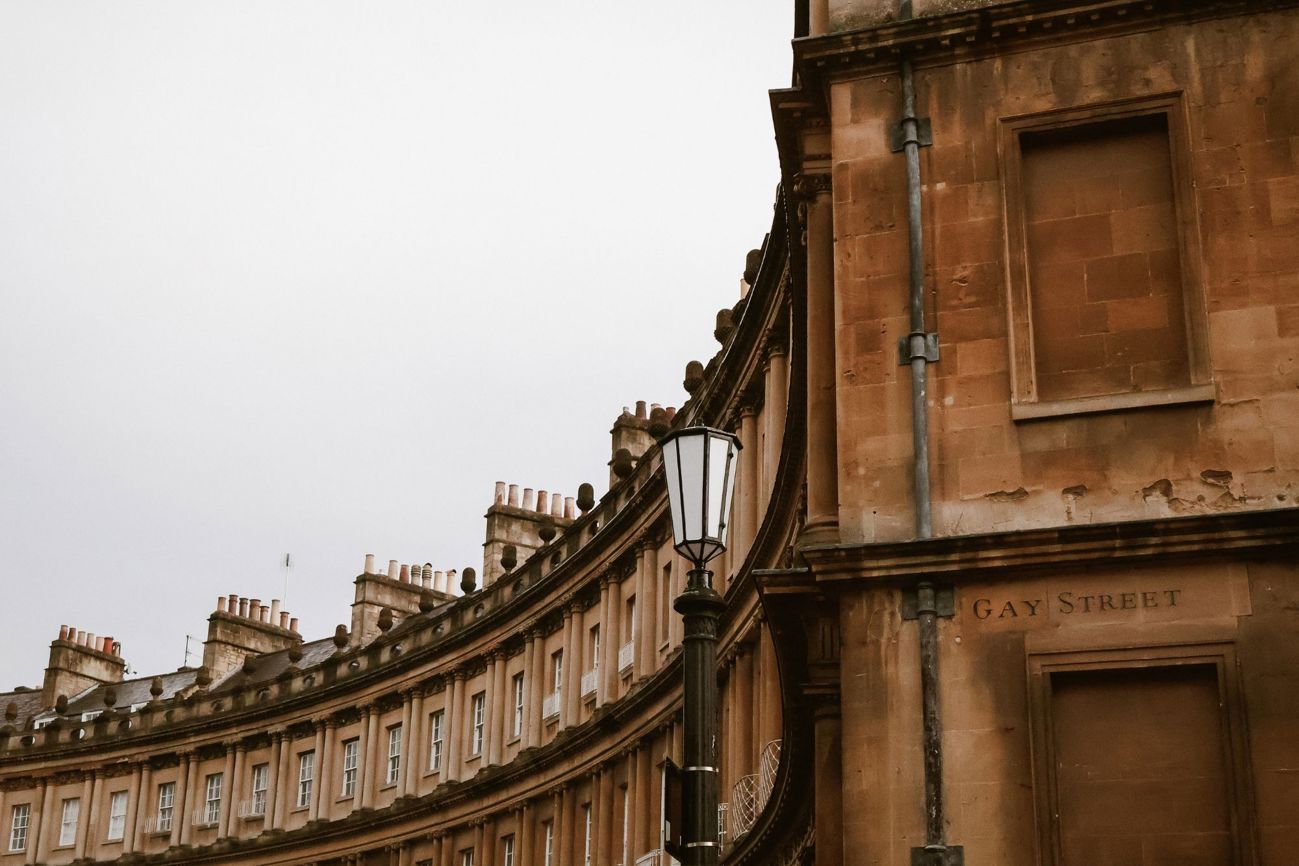
In the bleak mid-winter, Bath glows golden.
The year opens quietly, as it should. Locals ease into the slower pace post-tourist festivities which means empty museums, reflective walks, the kind of morning where you claim a corner table at a café and watch the city wake slowly.
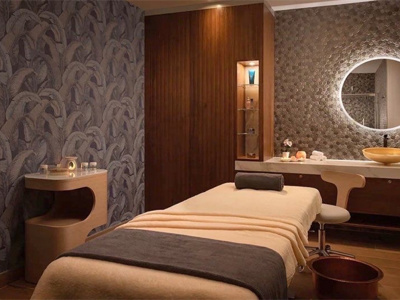
By the second weekend of January, Bath Jazz Weekend (9–11 January) fills small venues with intimate performances, the sort where you feel like you've discovered something rather than attended an event. Later in the month, ReBalance Bath Wellbeing Festival (29 January–15 February) takes over with movement classes, restoration talks, the city leaning into what it's always done best: heritage and healing. It runs through mid-February, and is a gentle reminder that Bath was a spa town long before anyone called it that. A flavour for the arrival of the Francis Hotel Spa in spring 2026.
Valentine's Day (14 February) arrives on a Saturday this year, which feels timely and a reason to spend a weekend in the most romantic city in the UK. And you stumble across the Francis Hotel, a hotel with a hint of boutique and a flutter of unpretentious luxury. Spend the day as it deserves: morning pastries and good flat whites, a lamplit dinner at Emberwood, walks through Georgian streets after dark to speak-easy feel bars. A week later, there's a change from the modern couples escape, as the city enters Bachfest (19–21 February), bringing classical concerts to historic venues, music filling stone spaces the way it was meant to.
The season announces itself gently, hello spring
March brings the first of the many calendar dates with family, Mother's Day (15 March), which calls for generous Sunday roasts and seasonal trimmings at Emberwood, followed by spring walks through Royal Victoria Park. The galleries reopen with fresh exhibitions, and you'll find yourself lingering longer than planned. Bath Restaurant Week (17–24 March) follows, offering an excuse to try somewhere new or return to the places you've been meaning to revisit. By the third weekend, the Literary Escape Festival (21 March) a one-day grassroots book festival celebrating independent authors, local creatives, and small businesses. The Comedy Festival (21 March-19 April) arrives mid-month, loosening the city up with stand-up across theatres and pubs.
Into the month of April, Easter Weekend (3–6 April) stretches across early April, long enough for family museum visits, half-term south west holidays, and those early spring days where you're not quite sure if you need a jacket. Spring exhibitions launch at The Holburne Museum, Victoria Art Gallery, and No.1 Royal Crescent, culture returning after winter dormancy.
Festivals are a little more luxurious in Bath
The season of summer arrives quickly and with all the fun of being outdoors. Emberwood opens its beautiful terrace for dining and cocktails. Glastonbury may not be on this year, but the South West will sing its spirit in the city of Bath. Starting with May, this is when Bath truly wakes, when three local festivals overlap, and the city fills with people who actually know why they're here. The Festival of Choirs (15–17 May) opens mid-month with voices filling every historic venue. Bath Literature Festival (16–24 May) follows immediately after with familair author talks, debates, readings, and ideas exchanged in a city built for conversation. And into the Bath Fringe (22 May–7 June) which runs the more experimental side of the cultural calendar. And just as you think it might calm down, Bath International Music Festival (30 May–7 June) begins, world-class performances in iconic settings. This is the one people plan entire trips around. The Spring Bank Holiday (25 May) lands perfectly in the middle, pubs full, parkland busy, the city at peak energy.
June eases the pace slightly, with the hope of hotter days means more milling around. Festival of Nature (6–14 June) celebrates the landscape beyond the city, family-friendly and outdoors. Father's Day (21 June) offers relaxed lunches and riverside walks. Bath Rugby's end-of-season fixtures at The Rec bring matchday atmosphere and community. Summer announces itself properly.
July brings the Carnival (11 July) free, colourful, the city at its most flamboyant, and outdoor theatre begins appearing in parks and historic spaces. Shakespeare performed where it feels right. August continues this thread: open-air cinema, late Roman Bath openings, gardens at their absolute peak. Summer in a city that handles heat with stone and shade. The final Bank Holiday (31 August) arrives at month's end, that last long weekend before autumn.
Falling into the golden, shorter hours of Bath
September is when Bath shows its depth, we savour every aspect of the daylight left before winter. Foodies Festival takes over Royal Victoria Park early in the month. The Jane Austen Festival (11–20 September) follows, ten days of Regency promenades, balls, talks, and walking tours, the city embracing its literary heritage without a trace of irony. Bathscape Walking Festival explores the countryside properly, with guided walks through the landscape and heritage. And whether you care about Bridgerton or not, when the new season launches, Bath benefits from its Regency moment, Georgian architecture suddenly feels culturally relevant again, and elegant dining gains context. The Children's Literature Festival (26 September–5 October) closes the month with family-friendly events and storytelling, multi-generational and thoughtfully programmed.
October belongs to film. Bath Film Festival (16–25 October) runs for ten days, proper curation across city venues, independent and international cinema that wouldn't find space elsewhere. Autumn exhibitions begin appearing in galleries, cultural institutions shifting with the season.
You can hear the bells, see the huts as the season shines bright.
November brings Mozartfest (13–21 November), classical performances in historic settings where music and architecture converse naturally. Late in the month, Bath Christmas Market opens, enormous now, best visited early morning or late evening to avoid the crush. Festive lights appear, stalls multiply, and the city transforms.
December is Bath at its most atmospheric. The Christmas Market continues through mid-month. Concerts, carol services, festive theatre, pantomime, the full seasonal offering. Winter roasts at Emberwood, fireside drinks, the city lit and sparkling. It's why people book Christmas stays here, why they return year after year. New Year's Eve (31 December) arrives on a Thursday, closing the year where it began: quietly, beautifully, in a city that knows how to mark time without performing it.
Bath doesn't change for visitors. It simply unfolds, season after season, offering enough to justify a weekend or fill an entire year of returns. This is how it moves through 2026, deliberately, culturally, with a rhythm earned over centuries rather than invented for tourism. Worth knowing. Worth experiencing. Worth coming back for.
More to Explore
Autumn brings new flavours to Emberwood
The Somerset edit a weekend in Bath